What Is ARV in Real Estate? How to Calculate After Repair Value
ARV meaning and formula at a glance
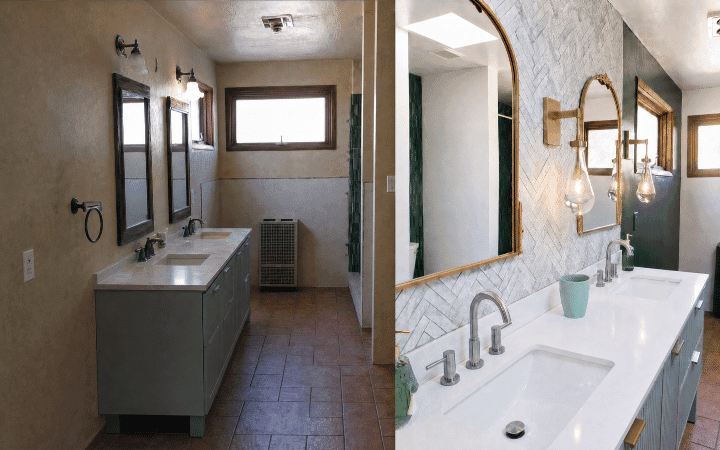
After-repair value (ARV) is an estimate of a property's market value after the planned renovation is complete. Use recent sales of comparable finished properties to support the estimate.
Estimated ARV = current market value + market-supported value added by improvements. The second figure is not simply the renovation budget.
- Compare properties with a similar location, size, condition, and scope of finishes.
- Keep purchase price, repair costs, financing, holding costs, and selling costs separate when assessing the project.
- Check the estimate with a qualified local real estate professional or appraiser before relying on it.
Planning the financing as well? Explore investment property loan options, or DSCR financing for a rental-property strategy.
What is ARV In Real Estate? What Real Estate Investors Should Know
ARV (After-Repair Value) estimates what a property will be worth after renovations. It’s vital for real estate investors when assessing purchase price, repair budgets, and potential ROI. Accurate ARV relies on comparable property sales and clear cost/value estimates.
- Basic ARV formula: Property’s current value + added value from improvements
- Use comps post-renovation to refine ARV accuracy
- 70% rule helps determine max purchase price
- Professional help from agents or appraisers improves estimates
- Myers Capital offers financing options tailored for investors
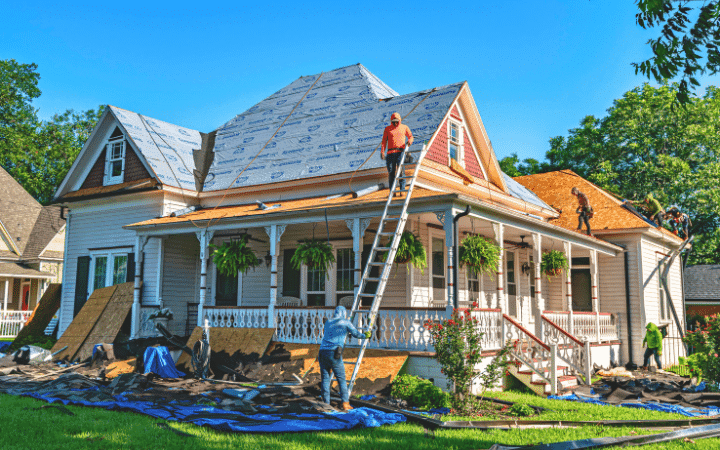
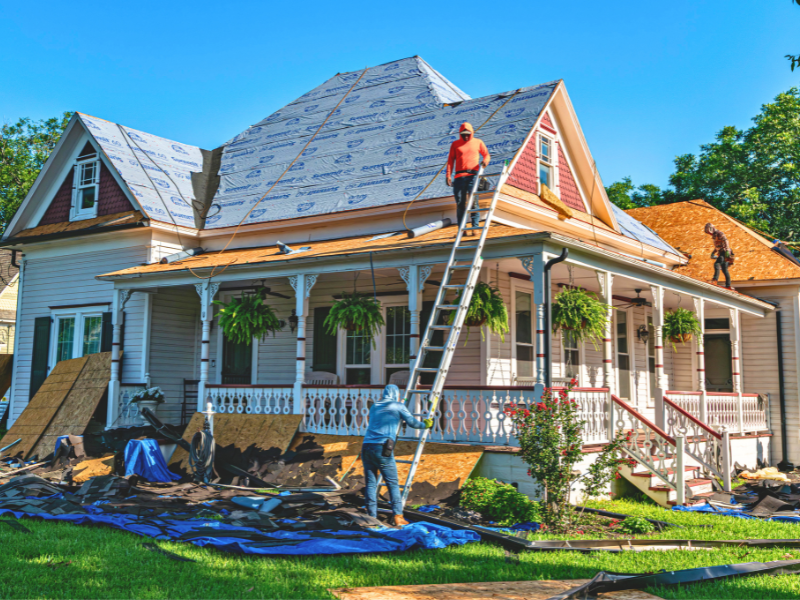
What is ARV in real estate? ARV refers to after-repair value, a useful metric that helps real estate investors estimate the value of a property after planned repairs, renovations, and improvements are completed.
An accurate ARV estimation can help real estate investors make key decisions related to their financial goals, including:
- How much to spend on a given property and what figures to propose in negotiations, taking into account the need for repairs and renovations as well as the cost of the property itself.
- How much to budget for repairs and improvements while maintaining a worthwhile ROI for the investment.
- The expected profit following the sale of a renovated or repaired property.
Understanding the Basics of ARV
What does ARV mean in real estate? When calculated accurately, it’s a very useful and straightforward estimate that helps investors determine if a given project is worthwhile in the big picture
ARV can be used by fix-and-flip investors, owners of rental properties who want to see if the cost of renovations can be justified by increased returns, by investors to secure financing for purchase and repairs, and even by homeowners to assess the ROI of a given project.
So, how do you calculate ARV, and how does it apply to a given project?
How to Find the ARV of a Property
The basic formula to estimate ARV is a very straightforward equation. All you need to do is take the current value of the property and add the value of any work done on the property (not the cost of those improvements, but the value they are expected to add) to it.
For example, if a property is currently valued at $200,000 and comparable sales support $50,000 of added market value after the planned improvements, its estimated ARV would be $250,000. Spending $50,000 on renovations alone does not establish that value. As a formula, this basic approach to ARV looks like this:
- Current Value of Property + Expected Value of Renovations and Repairs = ARV
That approach leaves out some key factors. So, it can be useful as a starting point, but shouldn’t be the end of determining ARV for real estate investors.
More Accurate ARV Estimation
A more accurate approach to ARV takes the following important variables into account:
The value of comparable properties (similar location, similar number of bedrooms and bathrooms, similar age and condition, recently sold) in the local market. These should be comparable to the state of the property after repairs and renovations, not in its current state. This data offers a more accurate projection of the property’s post-repair value.
Accurate estimate of repair costs and expected added value. The cost of repairs is especially important since it has a direct impact on ROI. Getting estimates and conducting a property inspection can offer more accurate info about costs and better identify all issues (especially issues not visible to the naked eye) that need to be fixed.
With these details, it’s possible to estimate the fair market value of the property after renovations. Investors can also add the cost of the repairs to the property’s sale price to determine the total cost of the project.
The 70% Rule for Properties Needing Repairs and Renovations
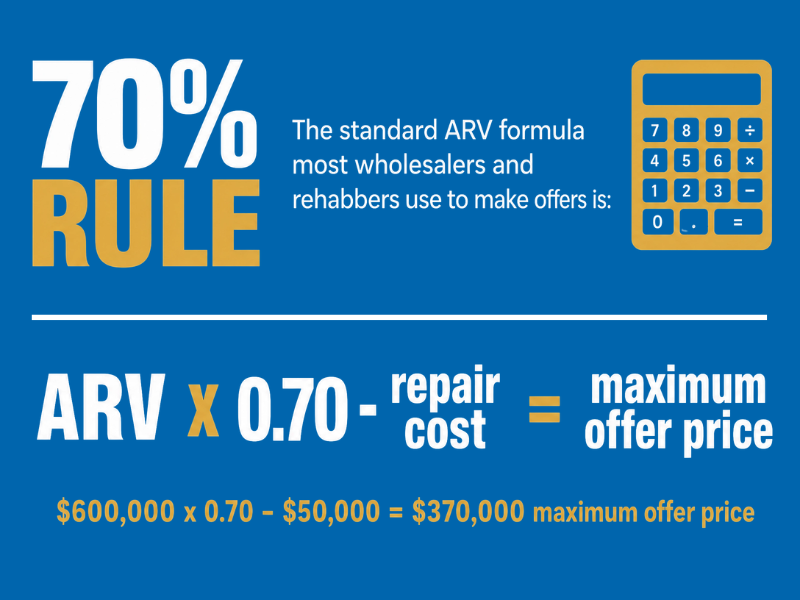
The 70% rule states that, in general, a property should only be bought and renovated for later sale or leasing if its current listing price or negotiated price is 70% or less of the ARV minus renovation costs.
To calculate the 70% rule and see if a given property aligns with it, multiply the ARV by 0.7 and then subtract the repair costs from that figure. The formula looks like this:
- (ARV x 0.7) – Repair Costs = Maximum Bid (Maximum Purchase Price)
Example: $600,000 ARV X 0.70
minus $50,000 (repair costs)
= $370,000 (maximum purchase price)
If you can purchase the property at or below the result of that calculation, it may be a good investment. If the purchase price comes in above the result of that calculation, it’s not as likely to be a profitable investment.
There are no guarantees in real estate investing, of course. Repair costs might exceed even a careful estimate, for example, and the 70% rule cannot account for every variable. However, this rule of thumb can be a good way to quickly decide if it’s worth putting more time and effort into a specific project.
Turn your ARV estimate into a financing conversation
Your estimated after-repair value is one part of a project review. Bring the comparable sales supporting the estimate, purchase price, itemized renovation budget, expected timeline and planned sale or rental strategy.
- Plan to sell? Include expected holding and selling costs in your project budget.
- Plan to keep it as a rental? Estimate rent, operating expenses and loan payments separately from ARV. Our rental property ROI example walks through those figures.
Myers Capital Hawaii can discuss financing options for your property and project. A self-prepared ARV estimate is not an appraisal or a commitment to lend.