What Is Delayed Financing and How Does It Work?
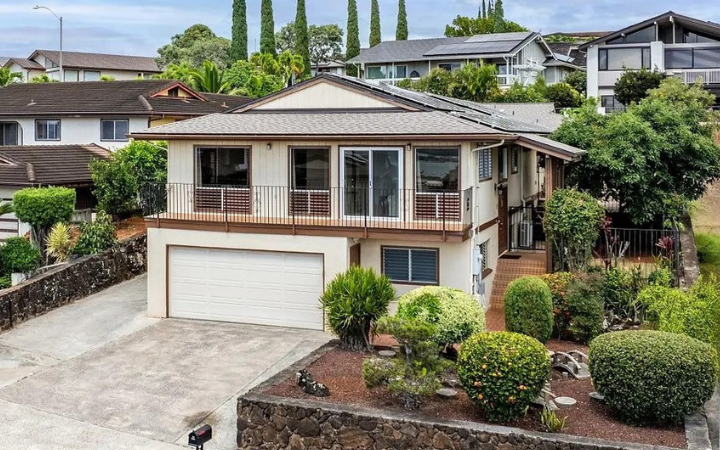
What is Delayed Financing & How Does it Work?
Delayed financing lets buyers purchase a property with cash, then quickly secure a mortgage afterward. This approach combines the advantages of an all-cash offer with the long-term benefits of financing, giving investors flexibility and improved access to capital.
In simple terms, buyers pay in cash and then take out a mortgage soon after to “reimburse” themselves. Unlike traditional cash-out refinancing, delayed financing does not require a waiting period.
This strategy can be used with both conventional loans and bridge loans—each with its own benefits and requirements.
Understanding Delayed Financing
A delayed financing transaction typically follows these steps:
- A buyer or investor identifies a property to purchase.
- The property is purchased with cash, giving the buyer the strength of a no-contingency, all-cash offer.
- Once the purchase closes, the buyer applies for a mortgage to unlock capital tied up in the property
- The funds from the new loan can then be used for renovations, new acquisitions, or other investments.
The end result is similar to financing a purchase upfront with a mortgage—the buyer ultimately holds a long-term loan. The difference is the strategic advantage of presenting a cash offer first and then regaining liquidity shortly afterward.

Conventional vs. Bridge Loans in Delayed Financing
Delayed financing can be structured through either conventional loans or bridge loans. While both eliminate the waiting period normally required for a cash-out refinance, they serve different purposes depending on the borrower’s situation.
Conventional Loan Attributes
- Arm’s length purchase required – the seller must not be related to the buyer
- Property must be lien-free at the time of purchase
- Purchase must be made with documented cash funds
- Maximum loan limited to the borrower’s initial investment (purchase price) plus allowable closing costs, prepaid fees, and points — subject to standard cash-out LTV limits based on the current appraised value (e.g., up to 80% LTV for a primary residence, 75% for an investment property)
- Borrower must meet standard mortgage qualifications (credit, income, DTI, etc.)
- No seasoning required – exception to the typical 6–12 month cash-out waiting period
- Offers long-term, fixed-rate stability for homeowners and investors
Bridge Loan Attributes
- Non-arm’s length purchases allowed – can buy from related parties
- Property condition not an issue – deferred maintenance or ground-up construction acceptable
- No seasoning required – funds available immediately after purchase
- Non-owner occupied only – investment properties only, not primary residences
- Flexible use of equity – access cash to renovate, construct, or acquire additional real estate
- Faster access to capital with fewer restrictions compared to conventional

Key Considerations for Delayed Mortgage Financing
Whether using a conventional or bridge loan, delayed financing allows buyers to:
- Present strong, competitive cash offers
- Quickly regain liquidity after closing
- Use unlocked funds for property improvements, debt consolidation, or new opportunities
However, there are also considerations:
- Buyers must have sufficient cash upfront to close without financing
- Appraisal values may come in lower than expected
- Interest rates and loan terms may shift before the mortgage closes
- Borrower qualifications still apply for conventional loans
Pros and Cons of Delayed Financing
Pros
- Stronger negotiating power with cash offers
- Faster and smoother closings with fewer contingencies
- Quick reimbursement of invested cash
- Flexibility to reinvest funds into other opportunities
Cons
- Requires significant upfront capital
- Risk of appraisal or rate changes between purchase and financing
- Must meet lender requirements (especially for conventional financing)

A Consultative and Supportive Lending Partner
At Myers Capital Hawaii, we help real estate investors leverage delayed financing—whether through conventional loans or our own bridge loan programs. Our team provides guidance at every step to help you secure financing that aligns with your goals, whether you’re acquiring, renovating, or expanding your real estate portfolio.
Learn more about our property loans for investors.
Copyright © 2026 Myers Capital Hawaii